My
Essentials
Migraine Relief
Non-prescription comfort tools commonly used during or between migraine attacks. These are not treatments — they are supportive aids.

A stretchable, form-fitting gel cap that wraps the head and eyes for hot or cold therapy — no Velcro, no hard ice, and no repositioning.
Full-head, no-slip coverage is something patients consistently prefer over partial ice packs during an attack. Doubles as a hot compress for tension and sinus pain.
View on TheraICE ↗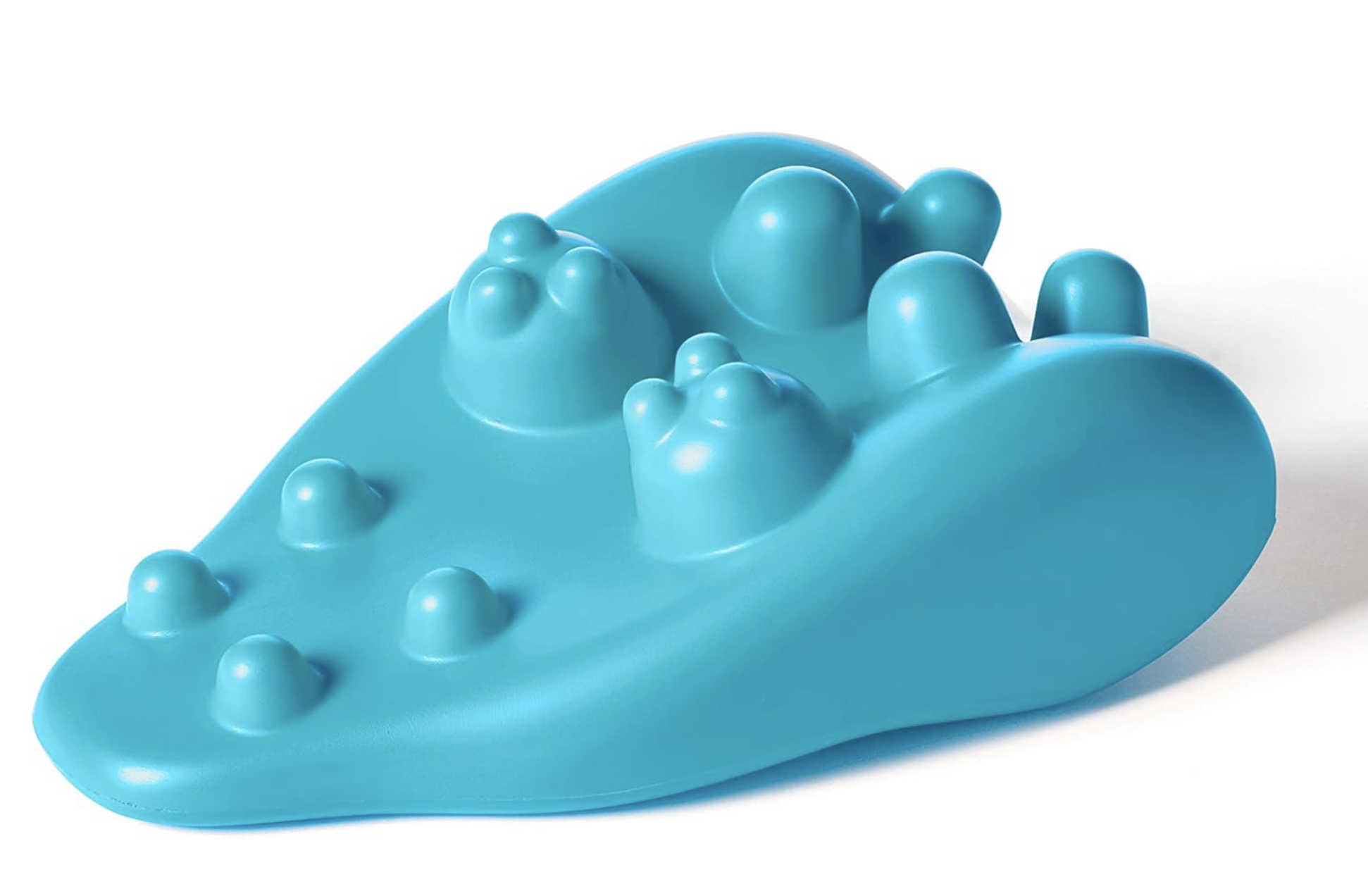
A compact support pillow for targeted neck and upper back comfort.
Neck tension is a common contributor to headache. I mention this frequently for cervicogenic headache.
View on Amazon ↗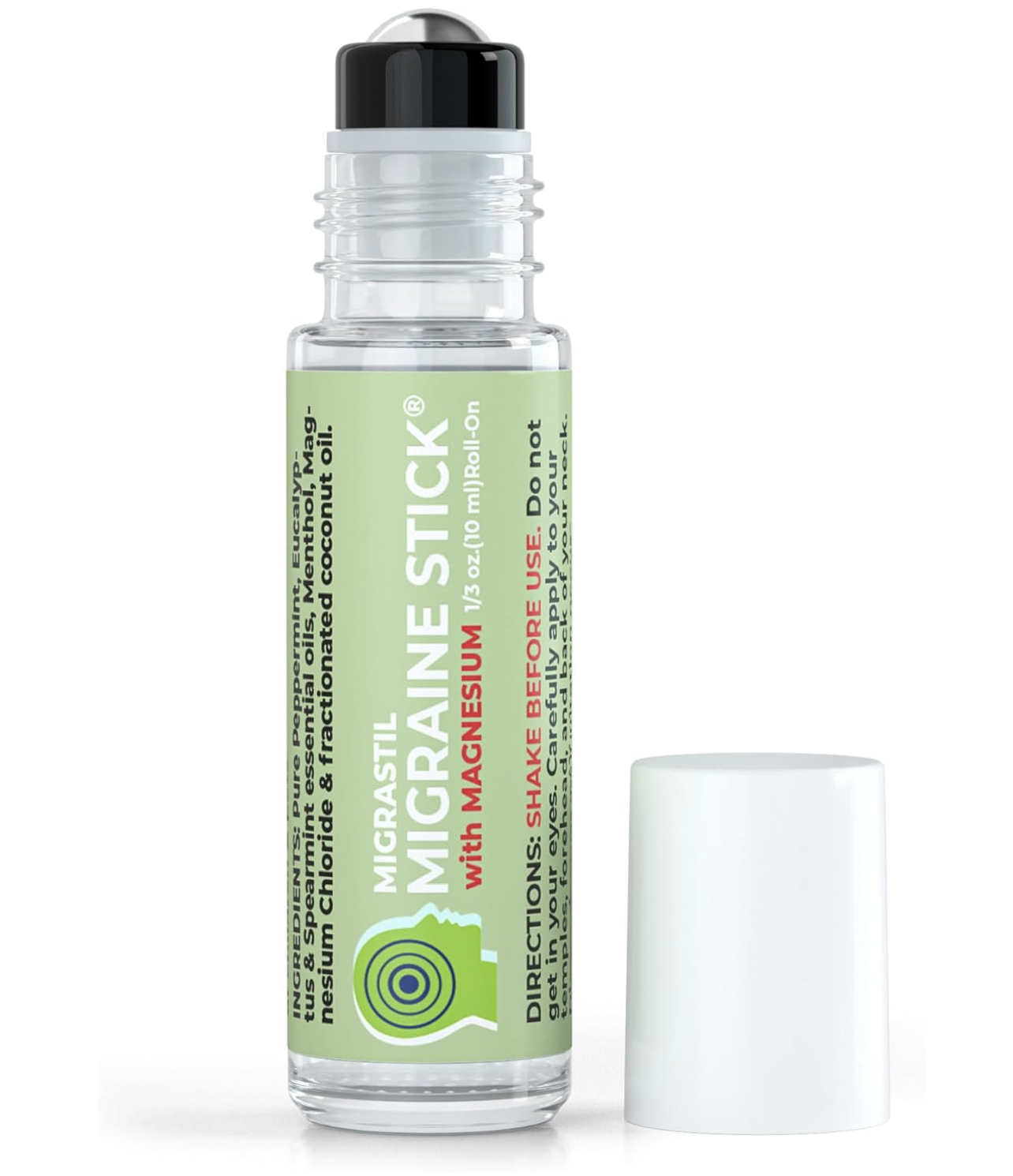
A cooling roll-on with magnesium, peppermint, and eucalyptus for soothing comfort during headache.
Topical peppermint has some supportive data for tension headache. Easy to keep on hand.
View on Amazon ↗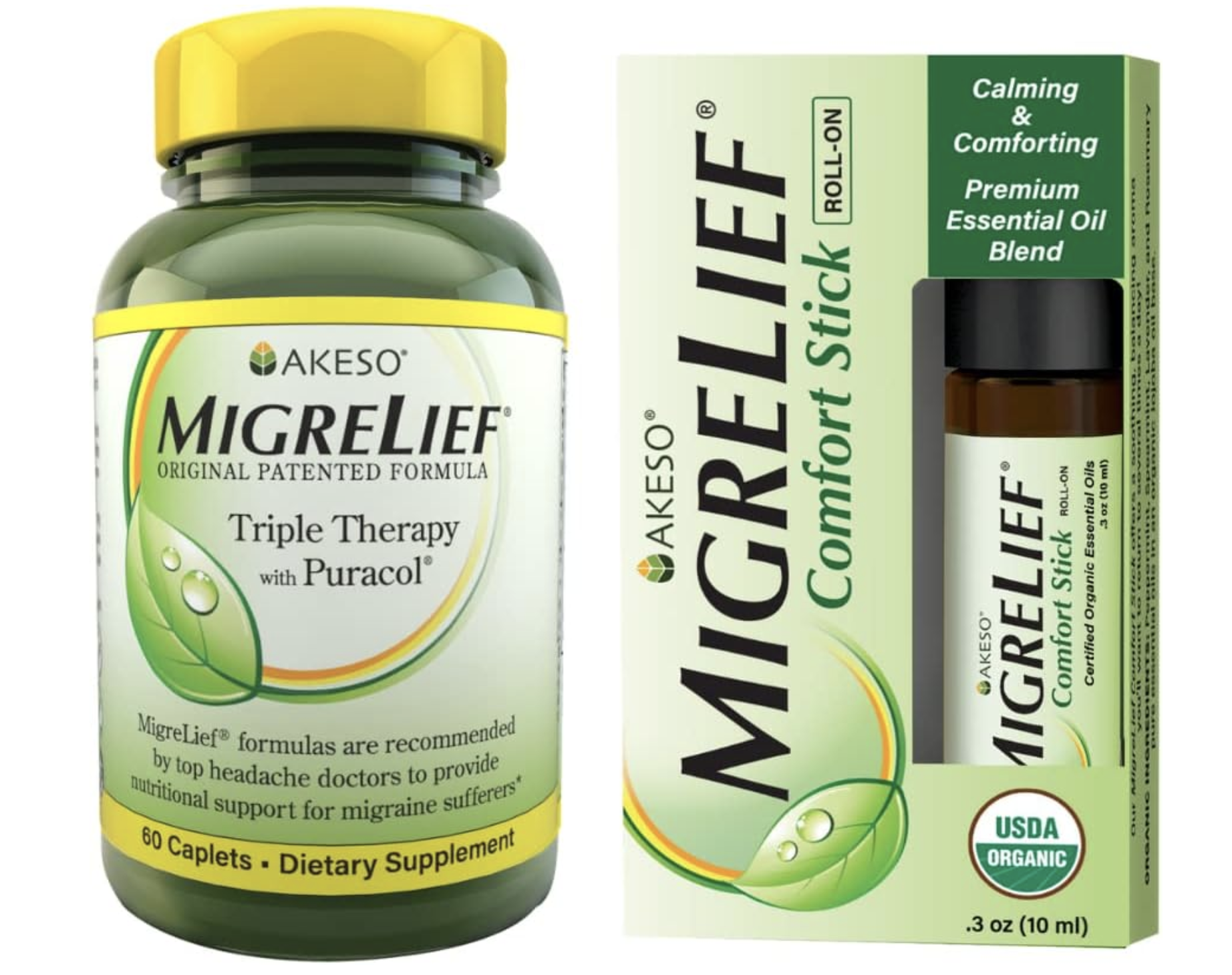
A topical cooling roll-on commonly used as a non-prescription comfort option during migraine episodes.
A non-prescription option frequently asked about. Not a substitute for treatment.
View on Amazon ↗
A soft, adjustable heating pad for neck and shoulder warmth and comfort during rest.
Useful for muscle tension and neck-related headache. Heat vs cold is patient preference — both can help.
View on Amazon ↗
A dedicated journal for logging headache patterns, triggers, and daily notes.
Tracking is one of the most useful things anyone managing migraine can do. I recommend it consistently.
View on Amazon ↗Light Therapy
Devices for individuals exploring photobiomodulation or managing light sensitivity.

A full-body wraparound mat with 2,632 LEDs delivering 660nm red and 850nm near-infrared light, with a zip-apart design that splits into two independent mats.
The most immersive option on this list — full-body coverage rather than a single panel or mask.
View on Haloral ↗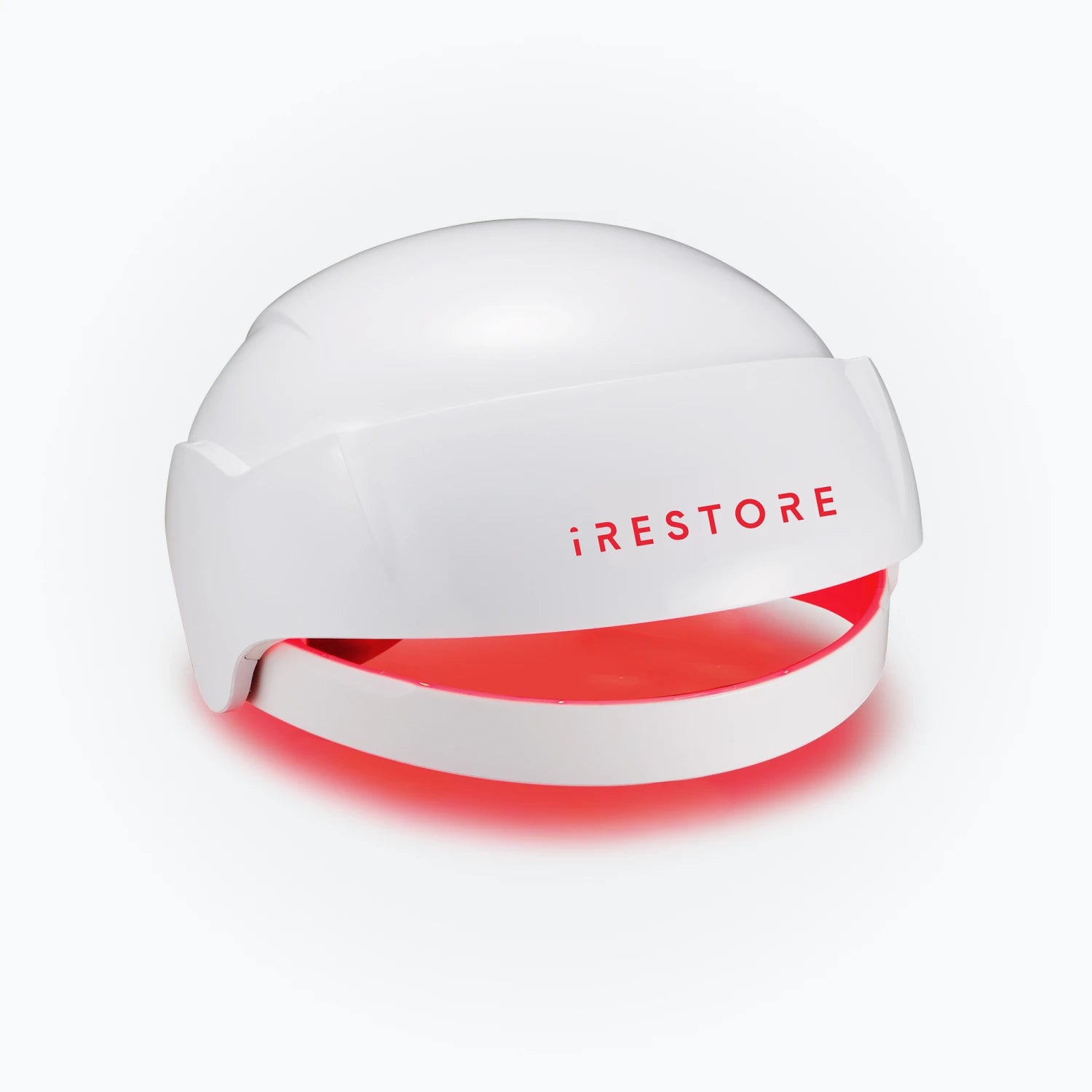
FDA-cleared red light therapy helmet using low-level laser light to support hair growth in men and women.
Photobiomodulation applied to scalp hair follicles — one of the more studied applications of red light therapy with published clinical data.
View on Amazon ↗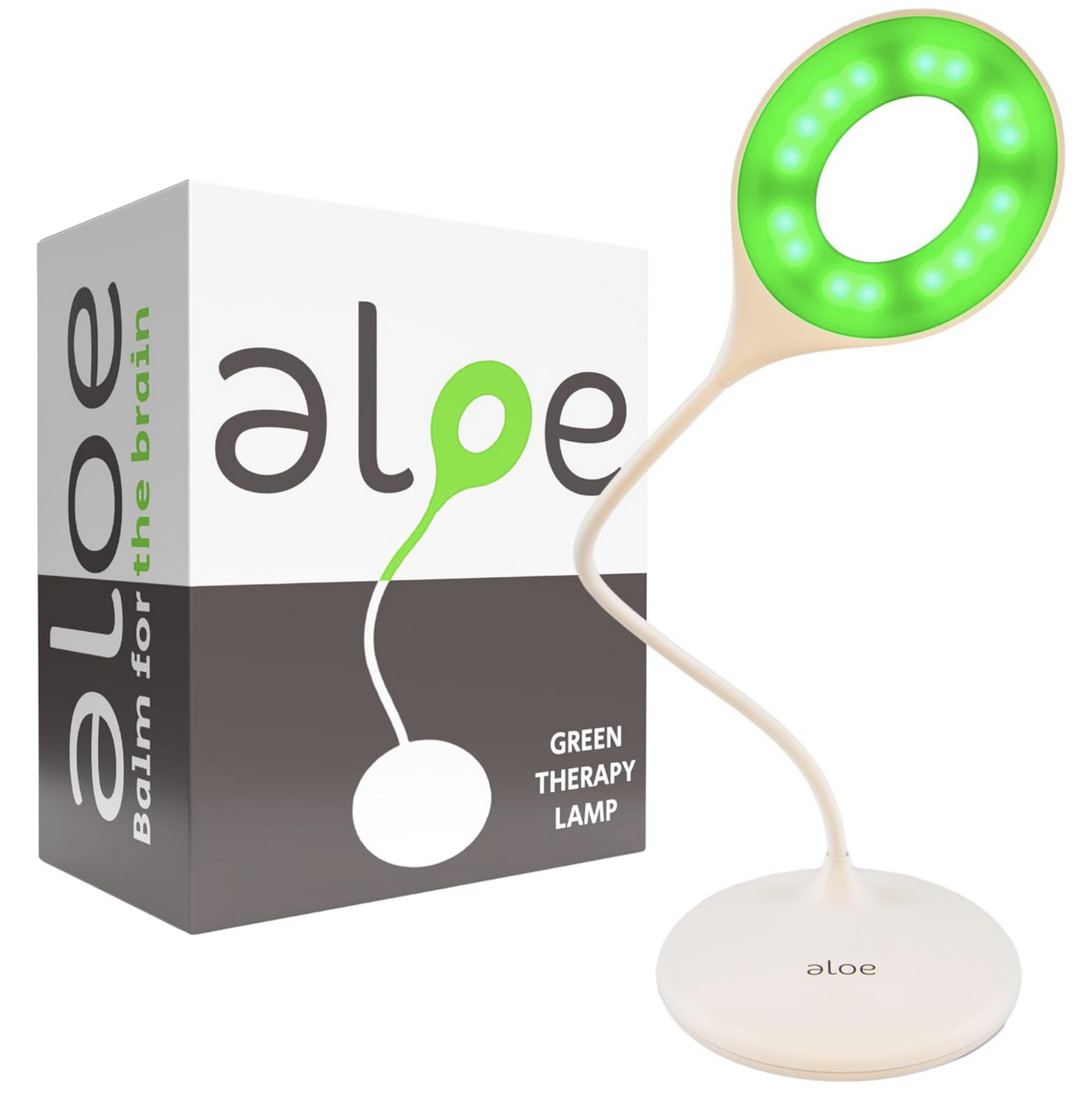
A narrow-band green light lamp for individuals who experience light sensitivity.
An area of active research that I find interesting. I have one at home — not a proven treatment.
View on Amazon ↗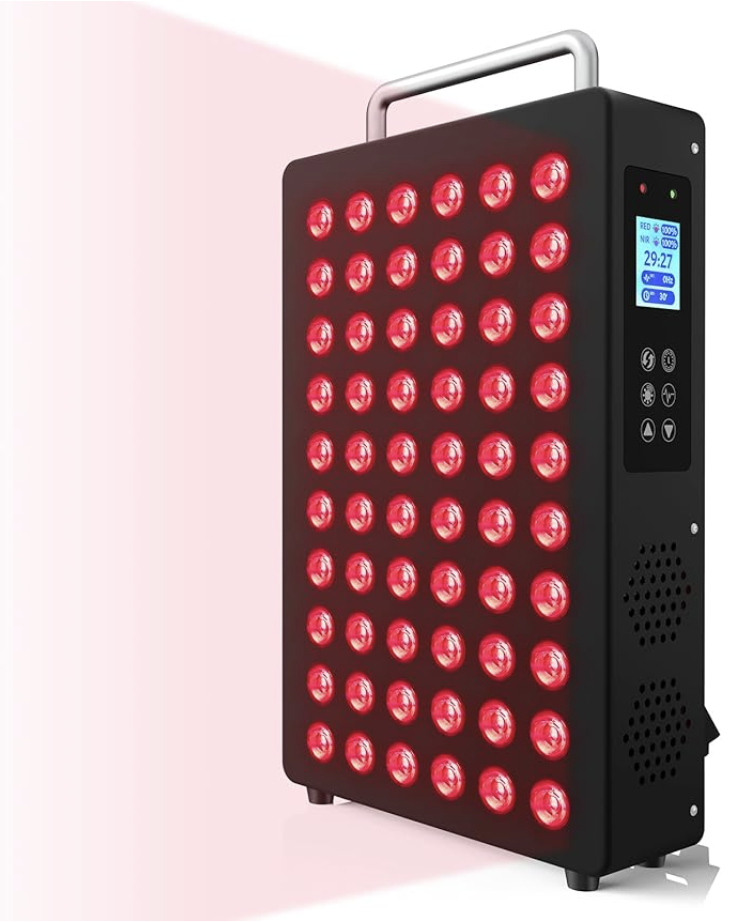
A high-powered LED panel delivering red and near-infrared light to support cellular health and recovery.
Photobiomodulation is an area of growing interest. Evidence is preliminary for most applications.
View on Amazon ↗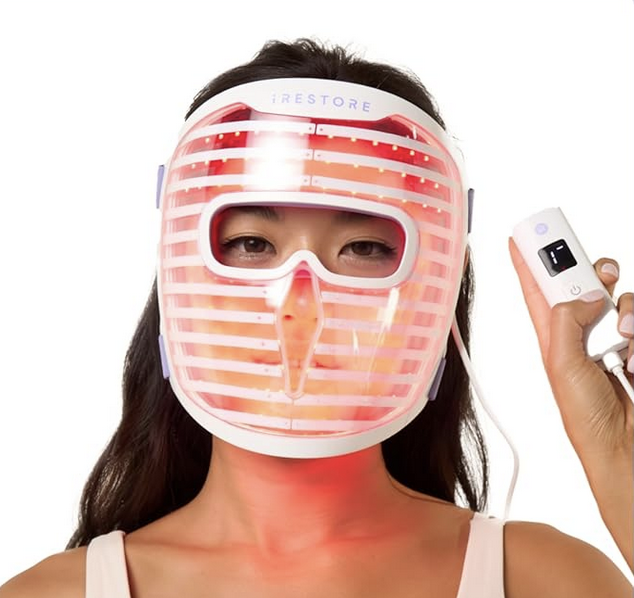
A wearable LED mask to support skin health and promote overall recovery.
Convenient for daily use. Evidence is most established for skin applications.
View on Amazon ↗Eyewear & Light Sensitivity
Tinted and filtered lenses for photophobia, prolonged screen use, or fluorescent light sensitivity.
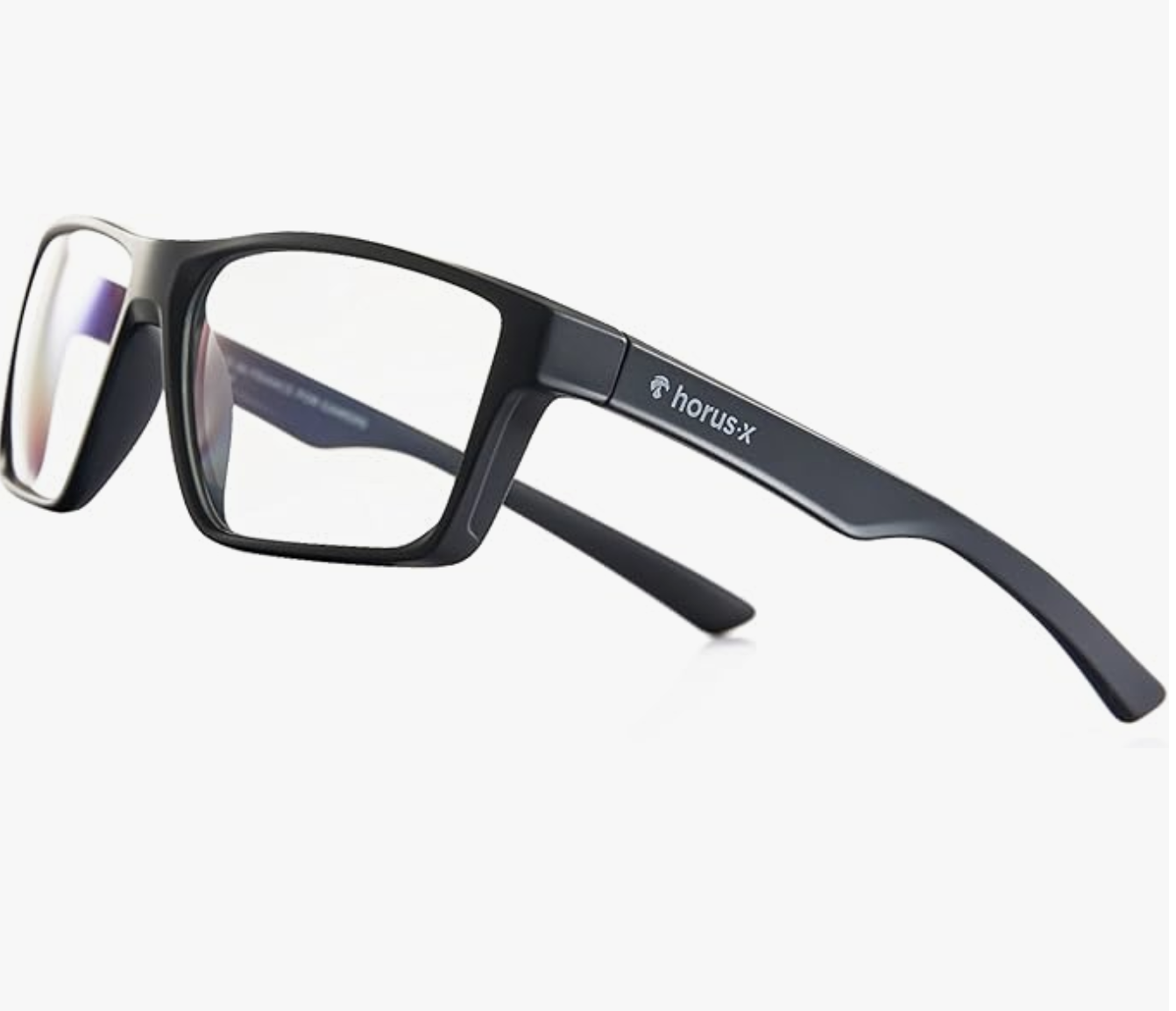
Blue light filtering lenses for extended screen exposure, particularly with light sensitivity.
Evidence for blue light glasses is mixed for migraine specifically, but many find them useful for prolonged screen time.
View on Amazon ↗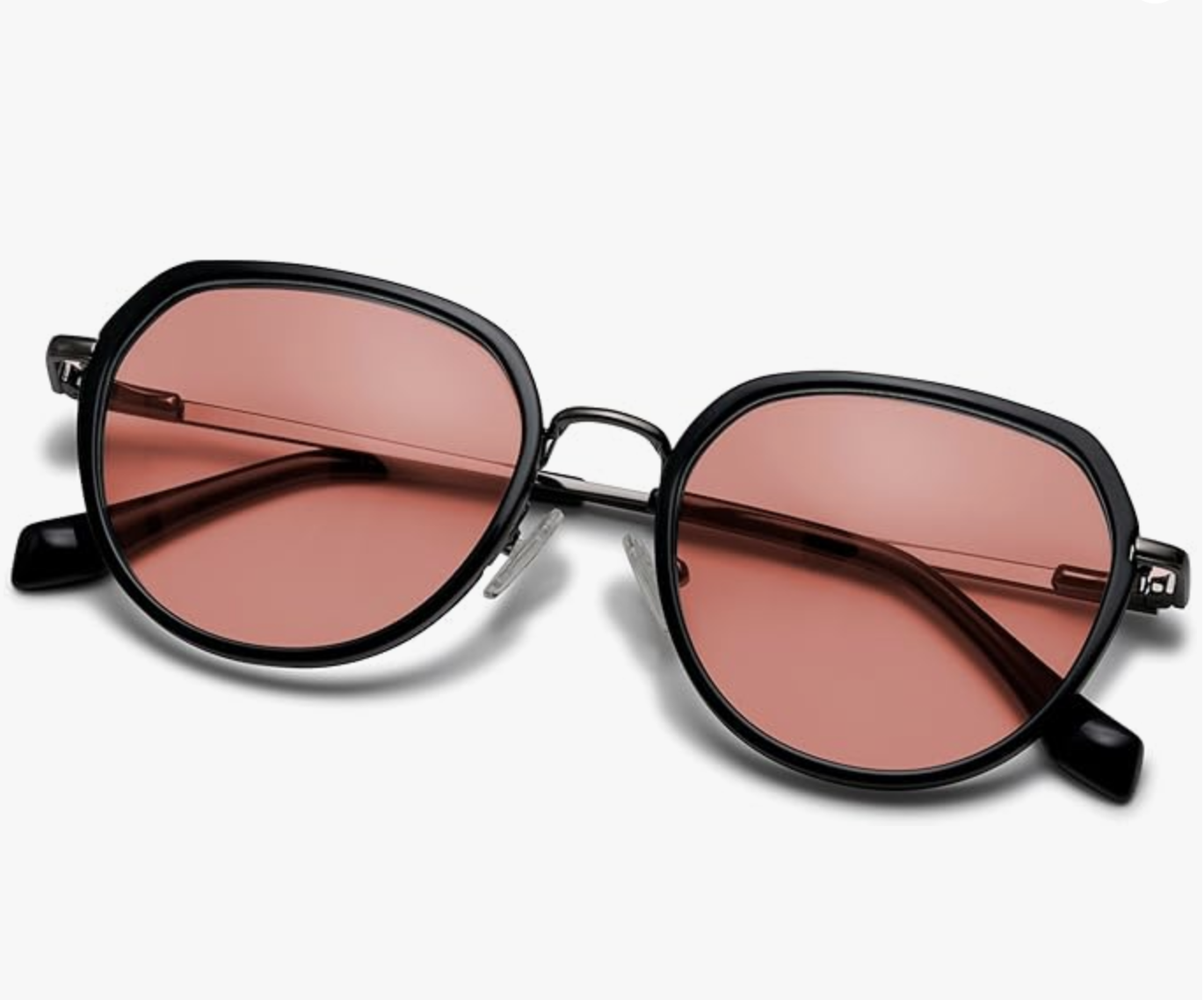
Rose-tinted FL-41 lenses filtering specific light wavelengths associated with visual discomfort.
FL-41 lenses have the strongest evidence base for migraine-related photophobia. These are what I point to first.
View on Amazon ↗
A wraparound FL-41 tinted frame for broader coverage in fluorescent or bright indoor lighting.
Better peripheral coverage for those particularly sensitive to overhead fluorescent lighting.
View on Amazon ↗Focus & Supplements
Always discuss supplements with your own physician before starting.
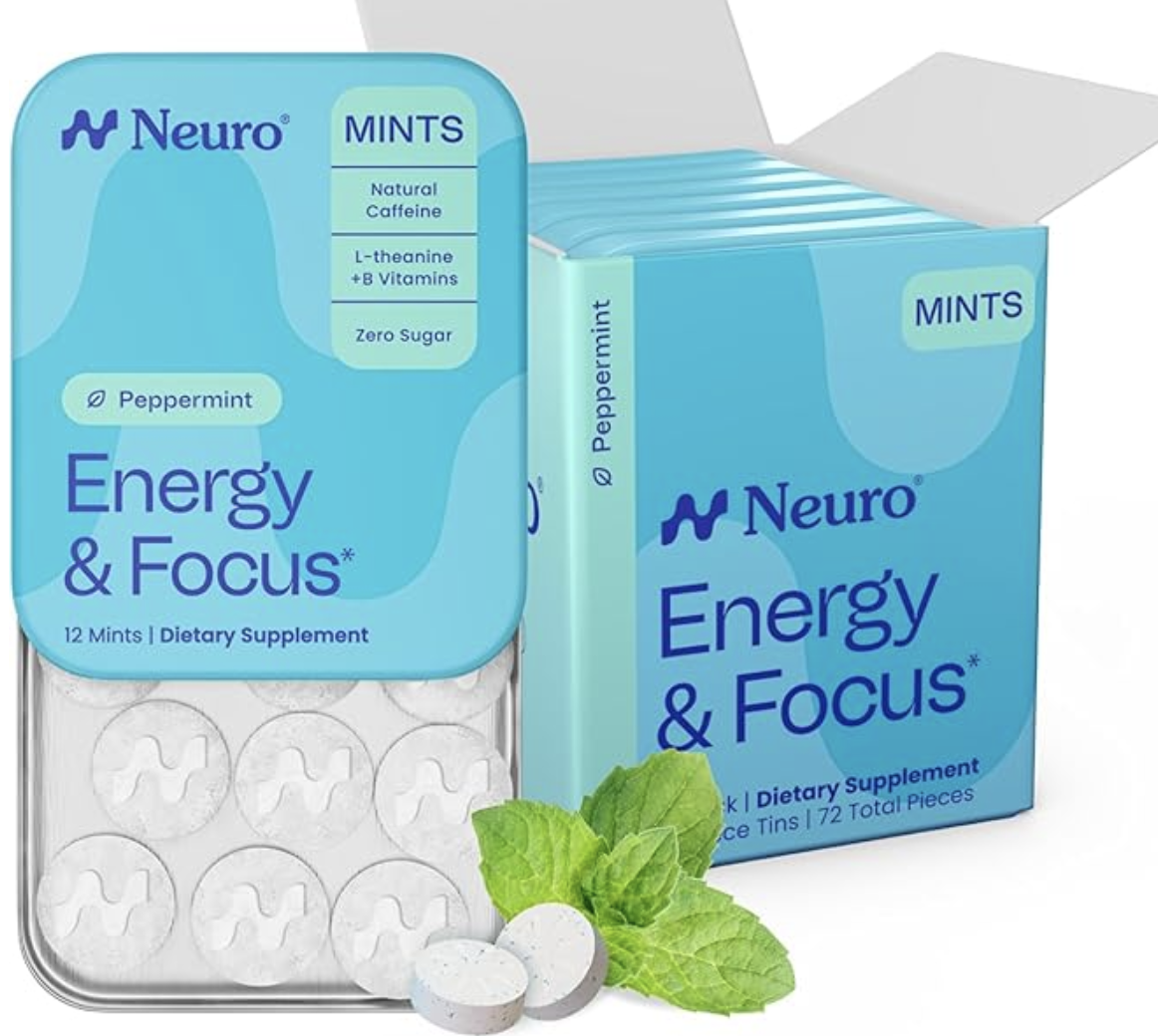
Peppermint mints with natural caffeine, L-theanine, and B vitamins for steady focus and mental clarity.
The caffeine + L-theanine combination has reasonable data for sustained focus without the jitteriness of coffee alone.
View on Amazon ↗
Chelated magnesium bisglycinate powder with Albion TRAACS for high absorption. 60 servings, gentle on stomach, non-GMO.
Magnesium glycinate is one of the forms I discuss most — it has data supporting sleep, muscle function, and is commonly used in migraine prevention protocols. This form is well-absorbed and easy on the gut.
View on Amazon ↗Exercise & Movement
Physical activity is one of the most evidence-based interventions for brain health. The 2024 Lancet Commission identifies physical inactivity as a key modifiable dementia risk factor.

Adjustable dumbbell set with 10 weight options from 2.5 to 25 lbs per hand. Quick-lock mechanism, anti-slip handle, compact storage tray.
Resistance training supports brain health through multiple pathways — including BDNF release, vascular health, and sleep quality. A versatile home set removes the barrier of getting to a gym.
View on Amazon ↗This page contains Amazon affiliate links. As an Amazon Associate, Dr. Malhan earns a small commission from qualifying purchases at no additional cost to you. Products are listed because they are frequently asked about or personally used — not because of commission rates. For educational purposes only. Not medical advice. No physician-patient relationship is established.